Research & teaching
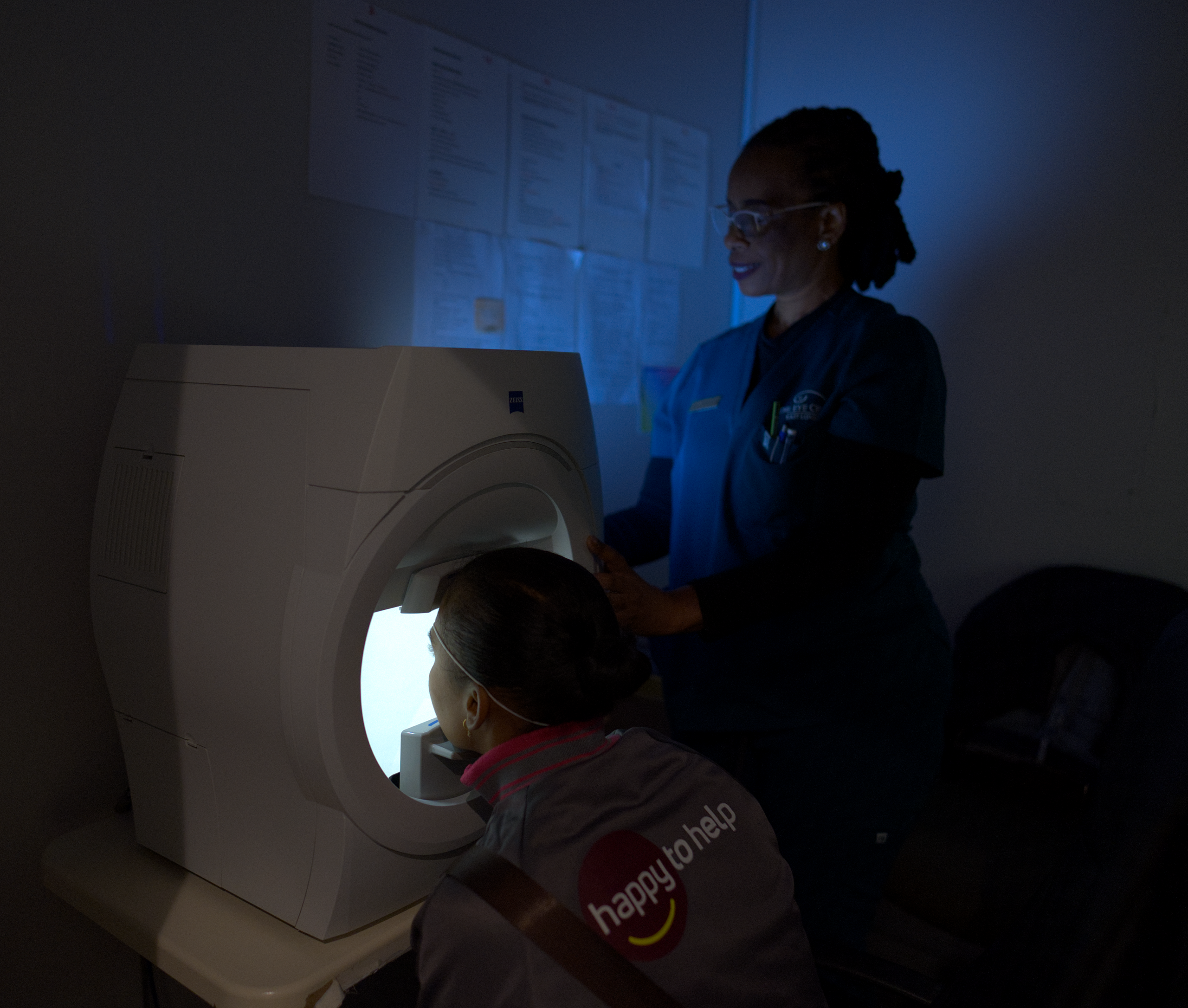
At The Eye Centre, training and research are central to our mission of improving eye care and expanding access to quality services in the communities we serve.
Through education, collaboration, and research, we strive to build sustainable eye-care capacity and deliver better vision and better health for the communities we serve.
Training, Education and Research at Our Practice
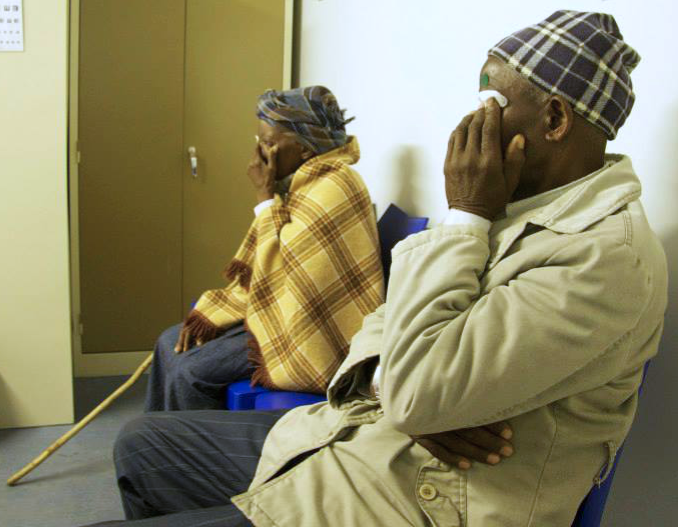
The African Eye Foundation
Through the African Eye Foundation, we actively support the development of young ophthalmologists and initiatives aimed at increasing access to eye care, particularly in resource-limited settings.
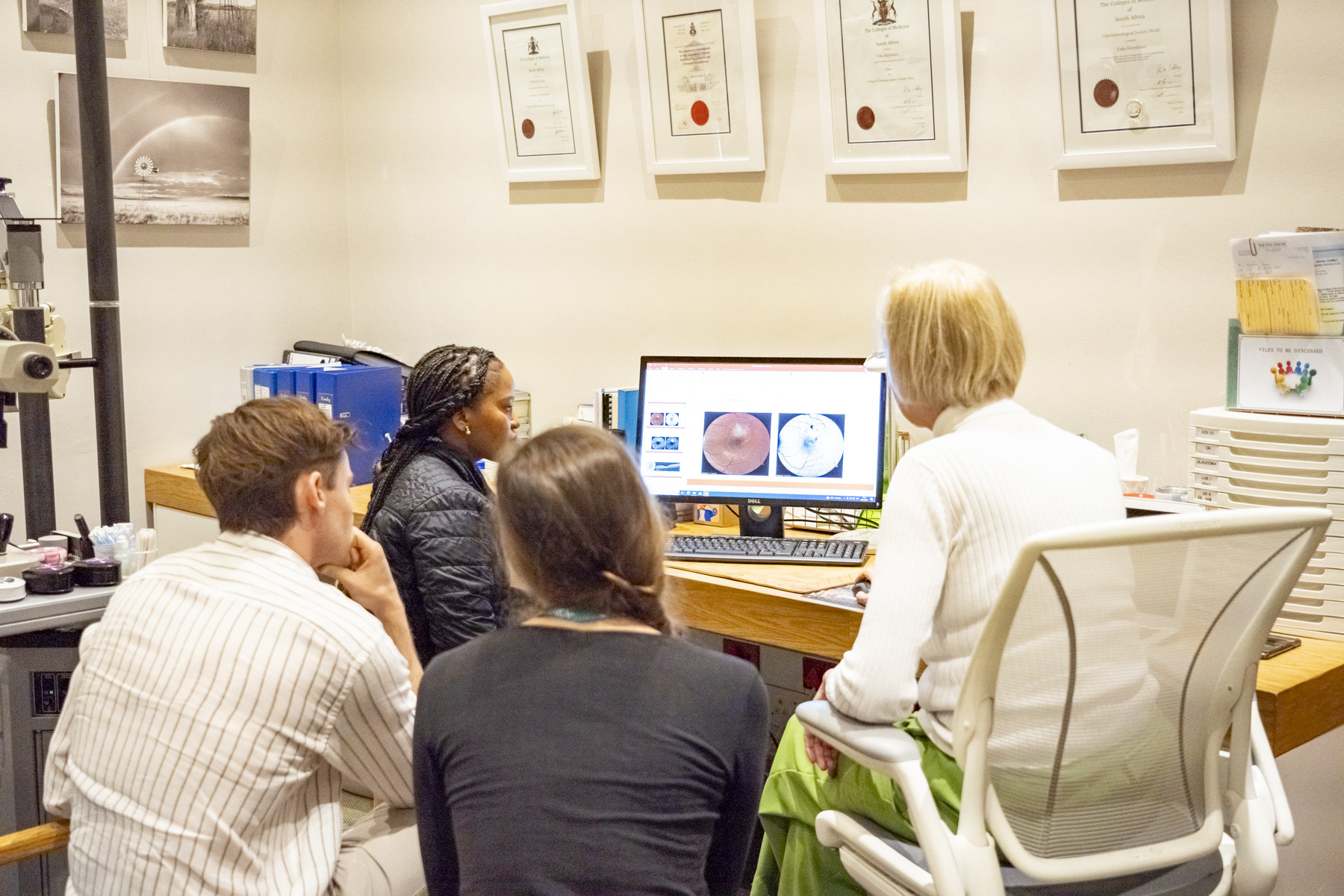
Medical Officer training programme
We run an active medical officer training programme that allows young doctors to develop their clinical and surgical skills under close supervision. This programme not only supports professional growth but also increases our capacity to deliver high-quality patient care to the community.
Our medical officer training programme is now accredited by the Colleges of Medicine of South Africa for the Diploma in Ophthalmology (Dip.Ophth SA).

Development of our team
Our commitment to training extends beyond ophthalmologists. We are passionate about developing the entire eye-care team, including optometrists, ophthalmic assistants, ophthalmic technicians, and nursing staff. One of our core goals is to grow people — building skills, confidence, and expertise that translate directly into better patient outcomes.
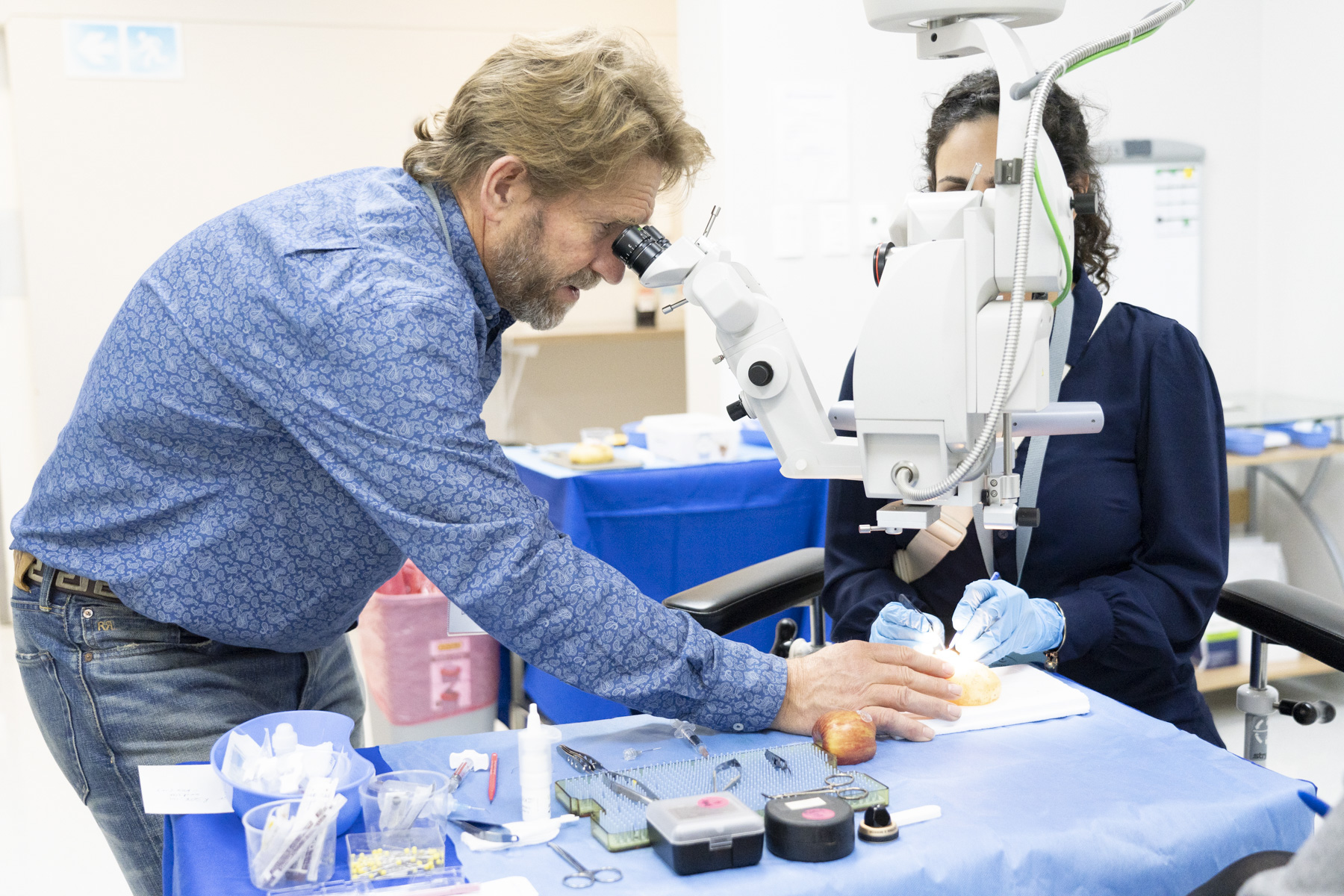
Ongoing research
Alongside training, we are deeply invested in research as a tool for continuous improvement. Our team has been involved in published research and is actively participating in ongoing studies aimed at advancing clinical practice and improving patient care.

Diabetic Retinopathy grading training
In addition to in-house education, we are involved in diabetic retinopathy grading training in collaboration with the University of Cape Town. This programme trains non-ophthalmologists in South Africa and internationally, strengthening diabetic retinopathy screening capacity and supporting earlier detection and treatment of vision-threatening disease.
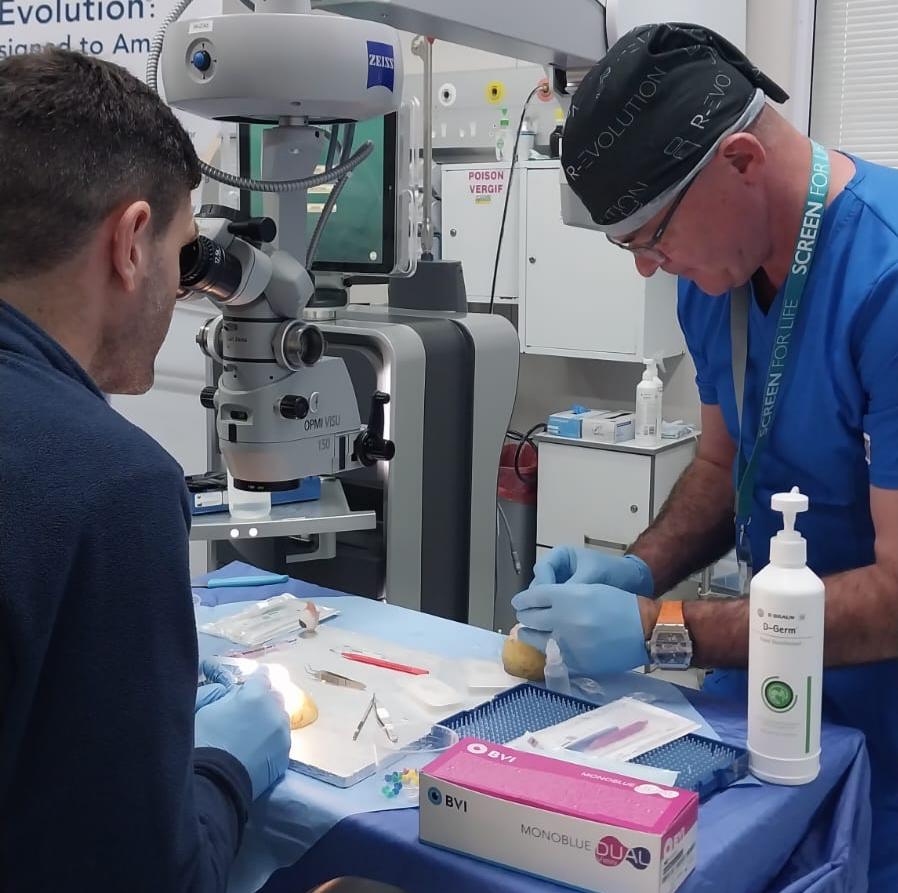
Microsurgical Skills Training
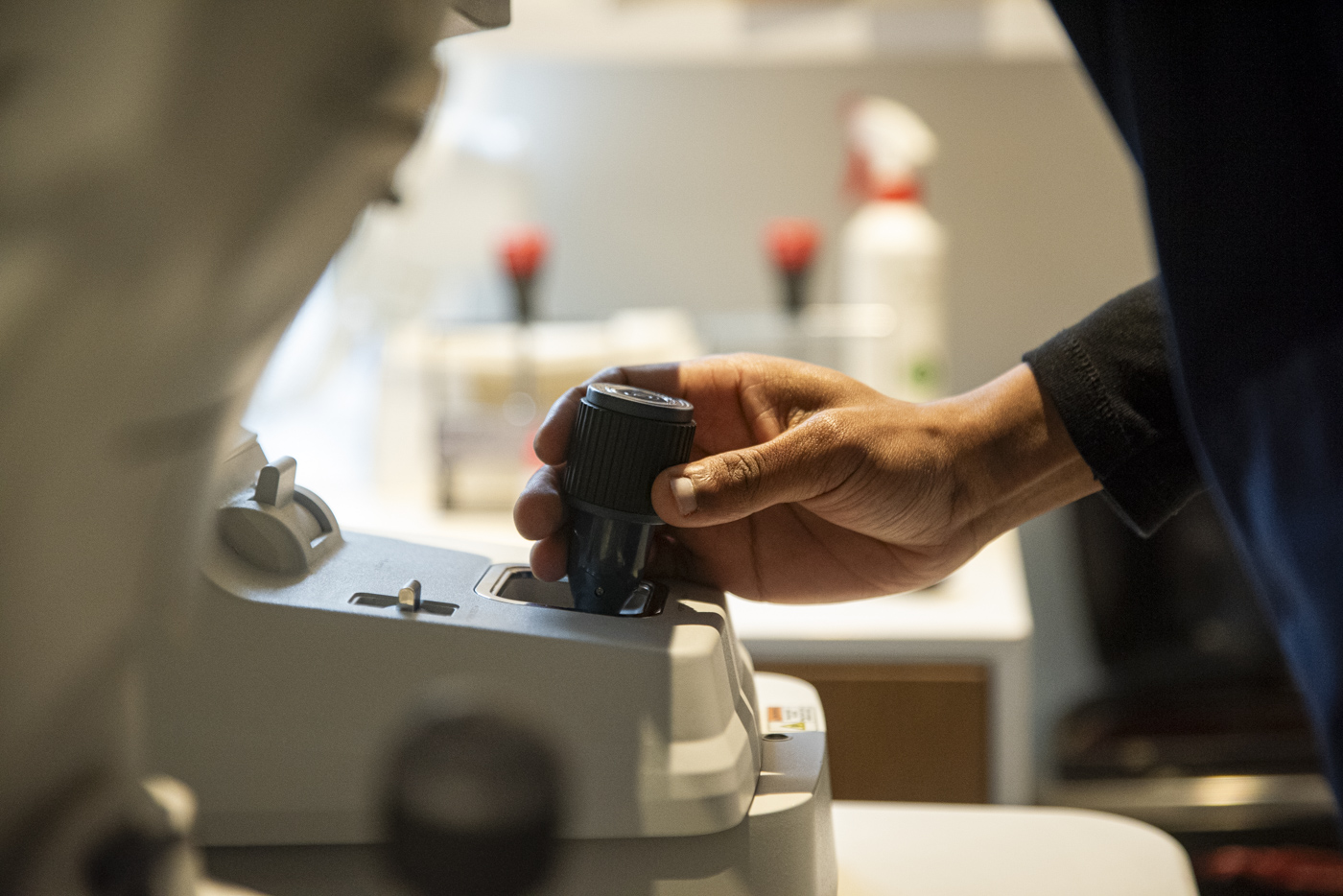
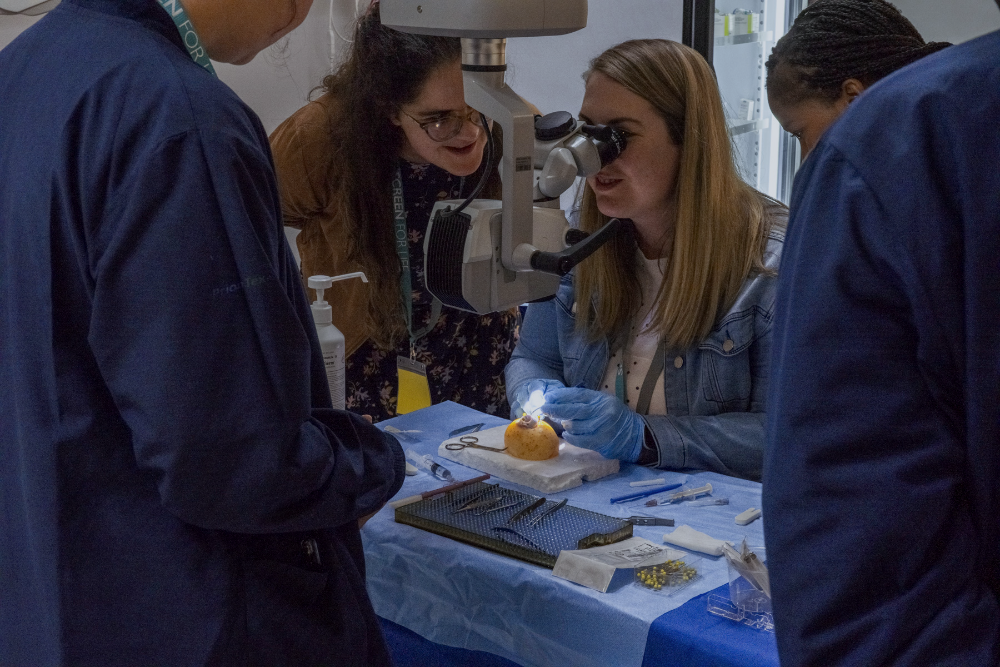
We offer hands-on microsurgical skills training focused on developing the precision and technical ability required for modern surgery. While rooted in ophthalmology, these courses provide practical experience with operating microscopes and microsurgical techniques that are applicable across several surgical disciplines. For more information, please contact christiaan@eyecentre.co.za.
AI and Fundus Photo Screening
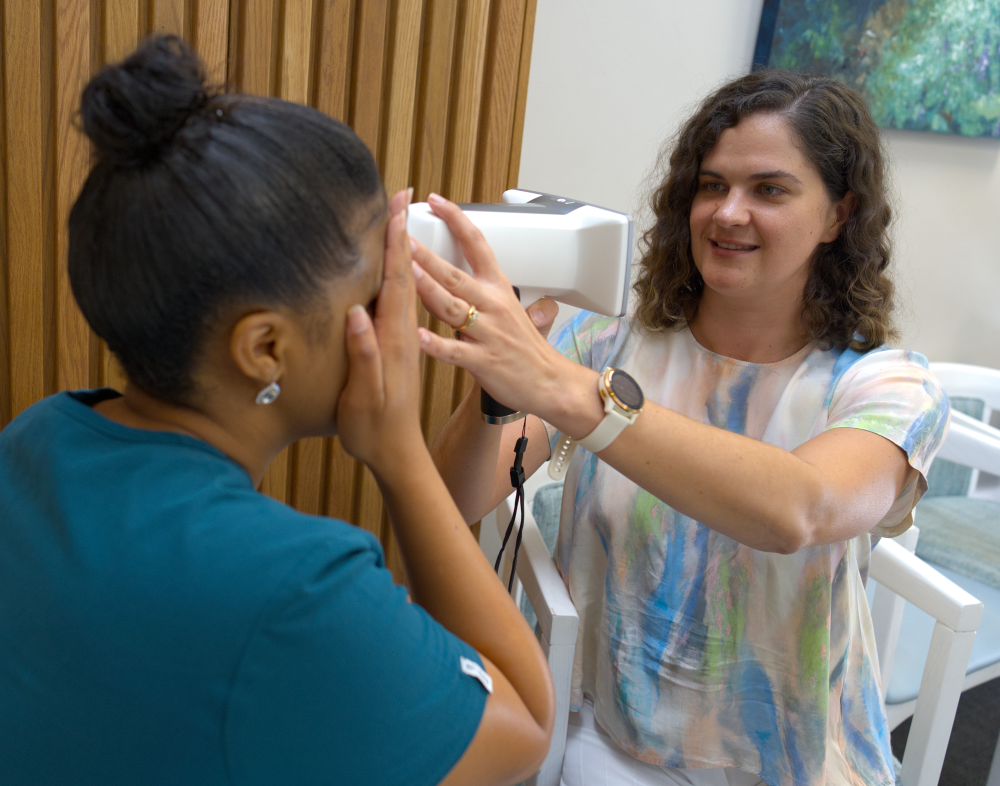
Our practice is committed to improving access to diabetic retinopathy screening and using modern technology to protect both vision and overall health. Early detection of diabetic eye disease allows for timely intervention that can prevent vision loss. Importantly, it can also provide valuable insight into a patient’s broader health.
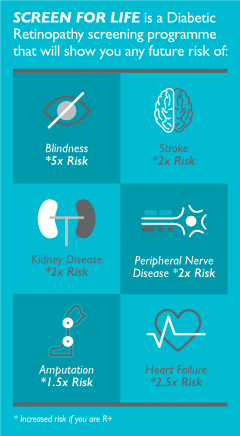
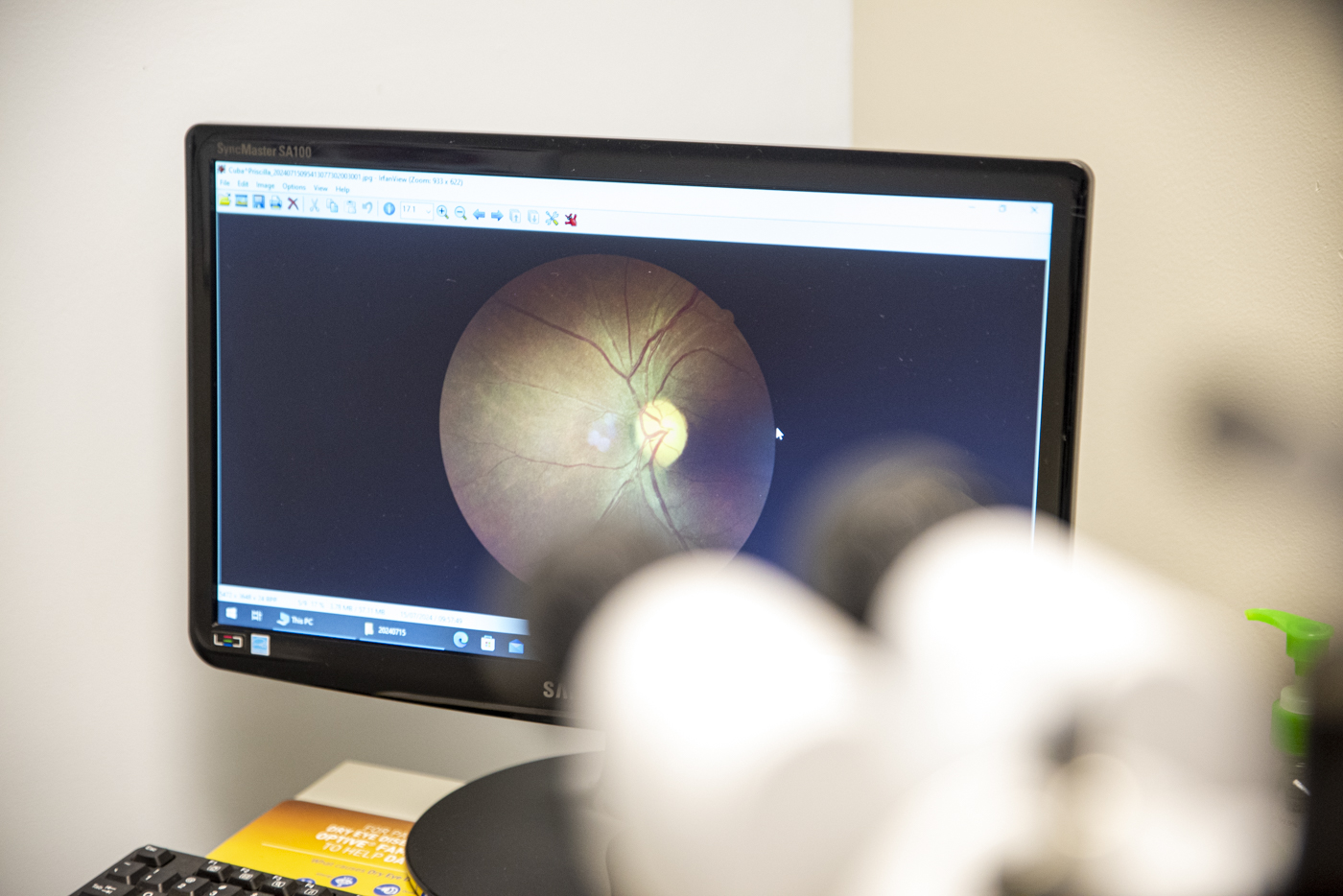
A simple photograph of the back of the eye — known as a retinal fundus photo — allows direct visualisation of the small blood vessels and optic nerve. These structures closely reflect the health of blood vessels and nerves elsewhere in the body, including those supplying the heart and brain. For this reason, eye screening can offer an early window into a person’s general neurovascular health and help motivate lifestyle changes and better control of risk factors. This approach aligns with the Screen for Life philosophy: using eye screening not only to save sight, but potentially to save lives.

Advances in technology now allow fast, efficient, and comfortable screening using a single retinal photograph. Artificial intelligence (AI) can analyse these images using advanced image-recognition techniques to detect signs of disease accurately and consistently, making screening more accessible to more people.
Beyond diabetic retinopathy, emerging AI technologies can extract additional health insights from fundus photographs. Current research shows that AI analysis may help estimate biological age, assess cardiovascular risk, and identify patterns linked to systemic conditions. Ongoing developments may soon allow insight into conditions such as kidney disease or neurodegenerative disorders. These innovations highlight the powerful role the eye can play as a window to overall health.
Our practice is actively involved in bringing these cutting-edge screening technologies to the public in a responsible and clinically meaningful way. We believe that combining fundus photography with artificial intelligence has the potential to transform preventive healthcare.
If you would like to learn more about AI-assisted screening or whether it may be suitable for you, please do not hesitate to ask our team.